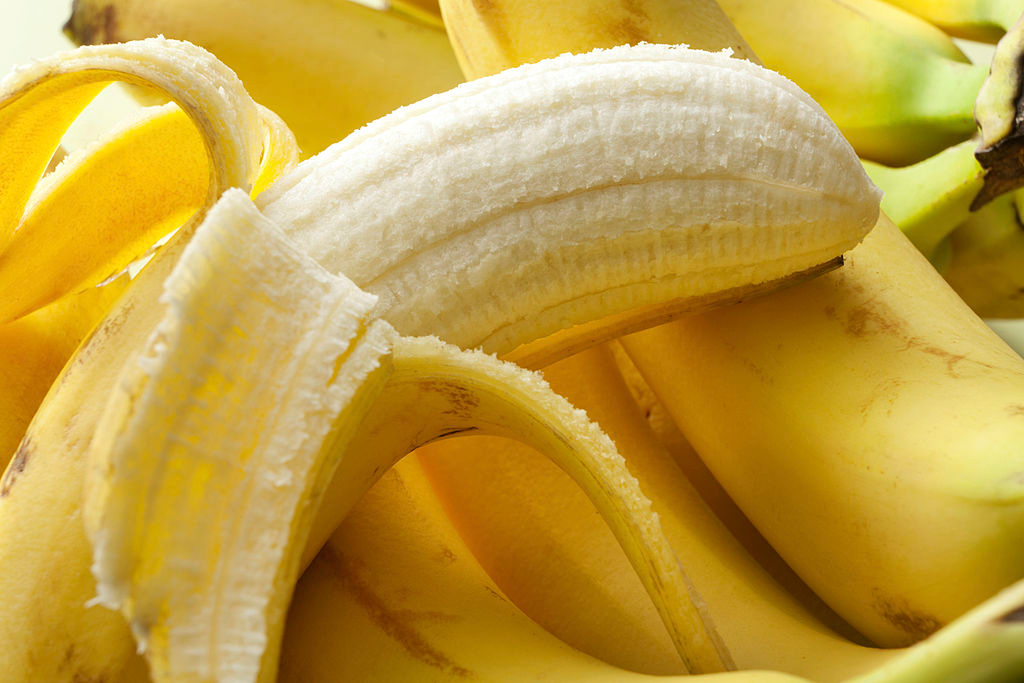
Bananas are one of the most affordable, convenient fruits on the planet—and doctors often recommend them as an easy way to add fiber, potassium, and gentle energy to your day. But what actually happens to your body if you eat one banana every day? Here’s a clear, evidence-based breakdown of the benefits, who should be cautious, and the smartest way to include bananas in a healthy routine.

1. You may support healthy blood pressure (thanks to potassium)
Doctors frequently point to bananas for one standout nutrient: potassium. Potassium helps your body balance sodium and supports normal blood vessel function. In general, diets higher in potassium and lower in sodium are linked with better blood pressure outcomes. A medium banana provides a meaningful amount of potassium, making it a practical daily add-on—especially if your diet is low in fruits and vegetables.
That said, bananas are not a “blood pressure medicine.” If you have high blood pressure, they’re best used as part of a bigger plan: more produce, less excess salt, and regular movement.
2. Your digestion may become more regular
One banana a day can gently improve digestion because it provides dietary fiber, including soluble fiber (like pectin). Fiber helps:
- Add bulk to stools
- Support regular bowel movements
- Feed beneficial gut bacteria
If you’re not used to much fiber, you might notice mild bloating at first. Doctors typically advise increasing fiber gradually and drinking enough water, since fiber works best when you’re hydrated.

3. You may feel steadier energy—especially as a snack
Bananas contain natural carbohydrates (including glucose, fructose, and sucrose) that your body can use quickly for energy. This is one reason many doctors and sports dietitians suggest bananas before or after exercise. Pairing a banana with protein or healthy fat can slow digestion and help you feel full longer.
Smart pairings:
- Banana + Greek yogurt
- Banana + peanut/almond butter
- Banana + a handful of nuts
4. Your heart may benefit from a “fiber + potassium” combo
Heart health isn’t about one food, but bananas contribute to patterns doctors like to see: more fruit, more fiber, and better mineral balance. Fiber can support healthy cholesterol levels, while potassium supports normal heart rhythm and blood pressure regulation. Over time, these small daily habits can add up—especially if bananas replace ultra-processed snacks.
5. Your muscles may cramp less (sometimes)
People often hear that bananas prevent muscle cramps. Doctors say the truth is more nuanced. Muscle cramps can come from many causes: fatigue, dehydration, low electrolytes, certain medications, or even nerve irritation. Bananas can help if cramps are related to overall diet quality or low potassium intake, but they’re not a guaranteed cure. If you cramp often, hydration, sleep, and balanced electrolytes (including magnesium and sodium) matter too.

6. You might improve your mood—or at least your “snack satisfaction”
Bananas contain vitamin B6, which your body uses to make neurotransmitters involved in mood regulation. While one banana won’t “fix” anxiety or depression, doctors often recommend regular eating patterns and nutrient-dense foods to support stable mood and energy. Plus, bananas are naturally sweet and satisfying, which can help reduce cravings for more sugary, processed treats.
7. Your blood sugar response depends on ripeness and what you eat with it
Bananas are healthy, but they do contain carbohydrates that affect blood sugar. Doctors often explain it like this:
- Greener bananas contain more resistant starch, which digests more slowly.
- Riper bananas contain more readily available sugars and may raise blood sugar faster.
If you have diabetes or insulin resistance, you can often still enjoy bananas—just be strategic:
- Choose a smaller banana
- Pair it with protein/fat (nut butter, yogurt)
- Consider less-ripe bananas for a slower glucose rise
8. You may support kidney health—unless you already have kidney disease
For most healthy people, potassium-rich foods are beneficial. However, doctors warn that people with chronic kidney disease (or those on certain medications) may need to limit potassium. If kidneys can’t clear potassium well, blood levels can rise and become dangerous. So while bananas are generally healthy, they aren’t for everyone in unlimited amounts.
If you’ve been told to watch potassium, ask your clinician or dietitian whether bananas fit your specific plan.
9. You could gain weight—only if it adds extra calories
A banana is not inherently fattening. Weight changes come from overall calorie balance. If one banana replaces a cookie or chips, it may help with weight management. If it’s added on top of an already calorie-rich diet, it can contribute to weight gain. Doctors usually recommend thinking in terms of swaps: add healthy foods by replacing less healthy ones, not by stacking extra snacks all day.

Who should be cautious with daily bananas?
Doctors commonly advise extra caution if you:
- Have chronic kidney disease or high potassium levels
- Take medications that affect potassium (for example, some blood pressure medicines)
- Have diabetes and struggle with blood sugar spikes (pair it wisely)
- Experience frequent bloating (increase fiber more gradually)
The “doctor-approved” way to eat one banana a day
If your goal is steady energy, digestion support, and overall health:
- Eat it with protein or healthy fat (yogurt, nuts, nut butter).
- Choose ripeness based on your needs (less ripe for slower digestion).
- Use it as a swap for processed snacks or dessert.
- Keep your diet varied—bananas are great, but no single food covers everything.
Bottom line
Eating one banana a day can support blood pressure, digestion, heart health, and steady energy—especially when it replaces less nutritious snacks. For most people, it’s a simple, doctor-friendly habit. Just be mindful if you have kidney disease, need to manage potassium, or are watching blood sugar.



Leave a Reply